
Water damage is one of the most costly and destructive issues homeowners face in Ottawa, Kanata, Stittsville, Orléans, Manotick, Rockland, Arnprior, Kemptville, and Brockville. While water damage often shows up inside a home, the root cause is frequently found outside — in failing masonry.
Brick, stone, mortar, chimneys, steps, patios, sidewalks, and retaining walls all play a critical role in managing moisture and protecting a home’s structure. When masonry is built or repaired incorrectly, water finds its way in, leading to long-term damage that can be expensive to fix.
We see time and again that professional masonry work is one of the most effective ways to protect Ottawa homes from moisture-related issues. This article explains how masonry works as a defense system against water damage, where failures commonly occur, and why proper masonry techniques matter in Eastern Ontario’s climate.
Why Water Damage Is So Common in Ottawa Homes
Ottawa’s climate creates the perfect conditions for moisture problems. Homes experience:
- Heavy rain in spring and fall
- Snow accumulation in winter
- Repeated freeze-thaw cycles
- Saturated soil during seasonal transitions
In areas like Orléans and Rockland, proximity to waterways and lower elevations increases moisture exposure. In Kanata and Stittsville, clay-heavy soil can hold water against foundations and masonry surfaces.
Without properly designed masonry, water has multiple opportunities to penetrate a home’s exterior.
Masonry as the First Line of Defense Against Water
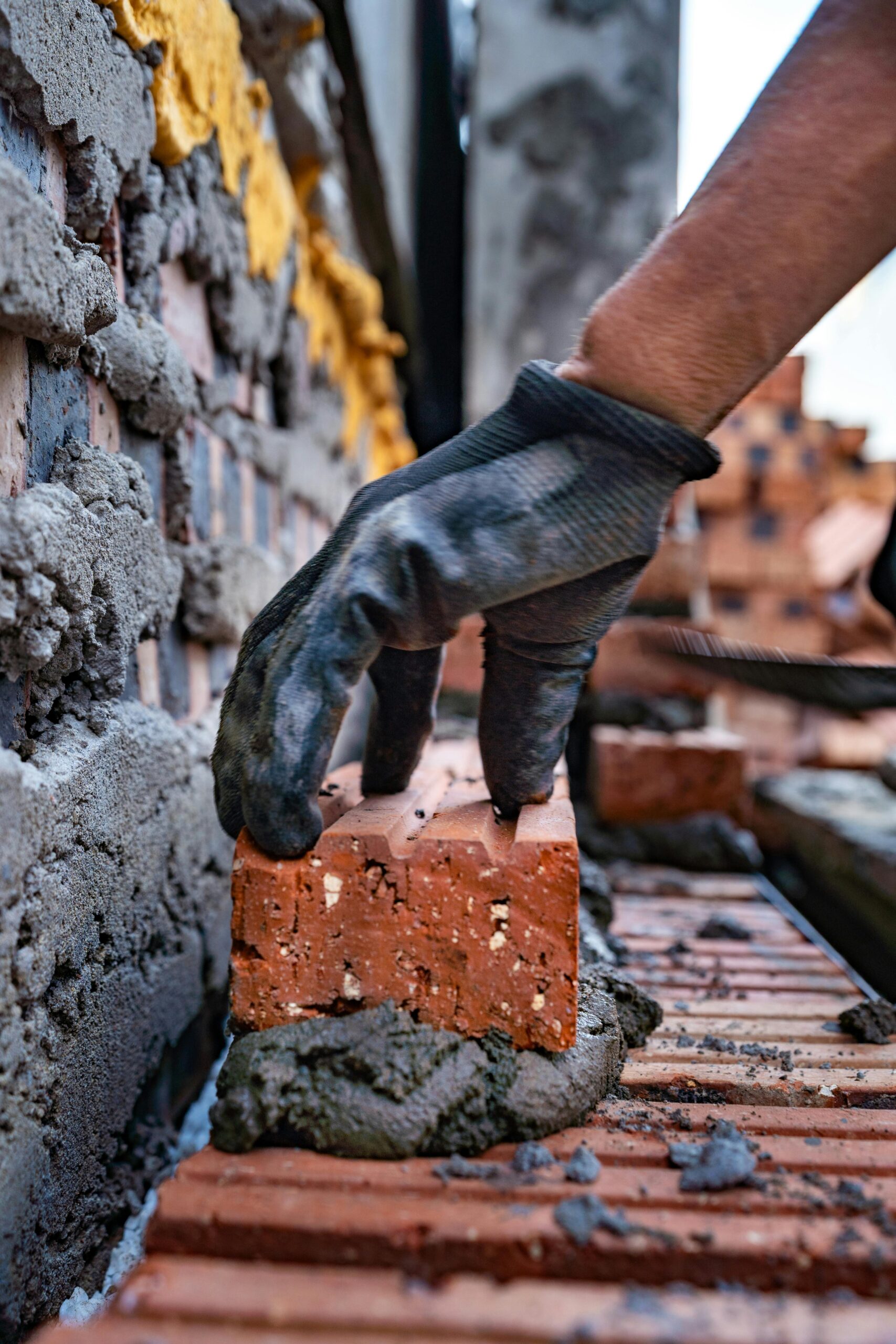
Masonry is not just structural — it is protective.
Proper masonry work:
- Directs water away from the home
- Seals vulnerable joints and transitions
- Allows masonry to breathe and release moisture
- Prevents water from reaching interior spaces
Brick and stone are naturally porous, which means they must be installed and maintained correctly to manage moisture rather than trap it.
How Failing Mortar Leads to Water Intrusion
Mortar joints are often the weakest point in masonry systems. When mortar begins to deteriorate:
- Small gaps allow water penetration
- Freeze-thaw cycles expand internal cracks
- Moisture travels deeper into the structure
We frequently see homes in Ottawa and Brockville where deteriorated mortar has allowed water to reach wall cavities, chimneys, or foundations. Professional masonry repair restores mortar joints so they once again act as a protective barrier.
Chimneys: A Major Source of Hidden Water Damage
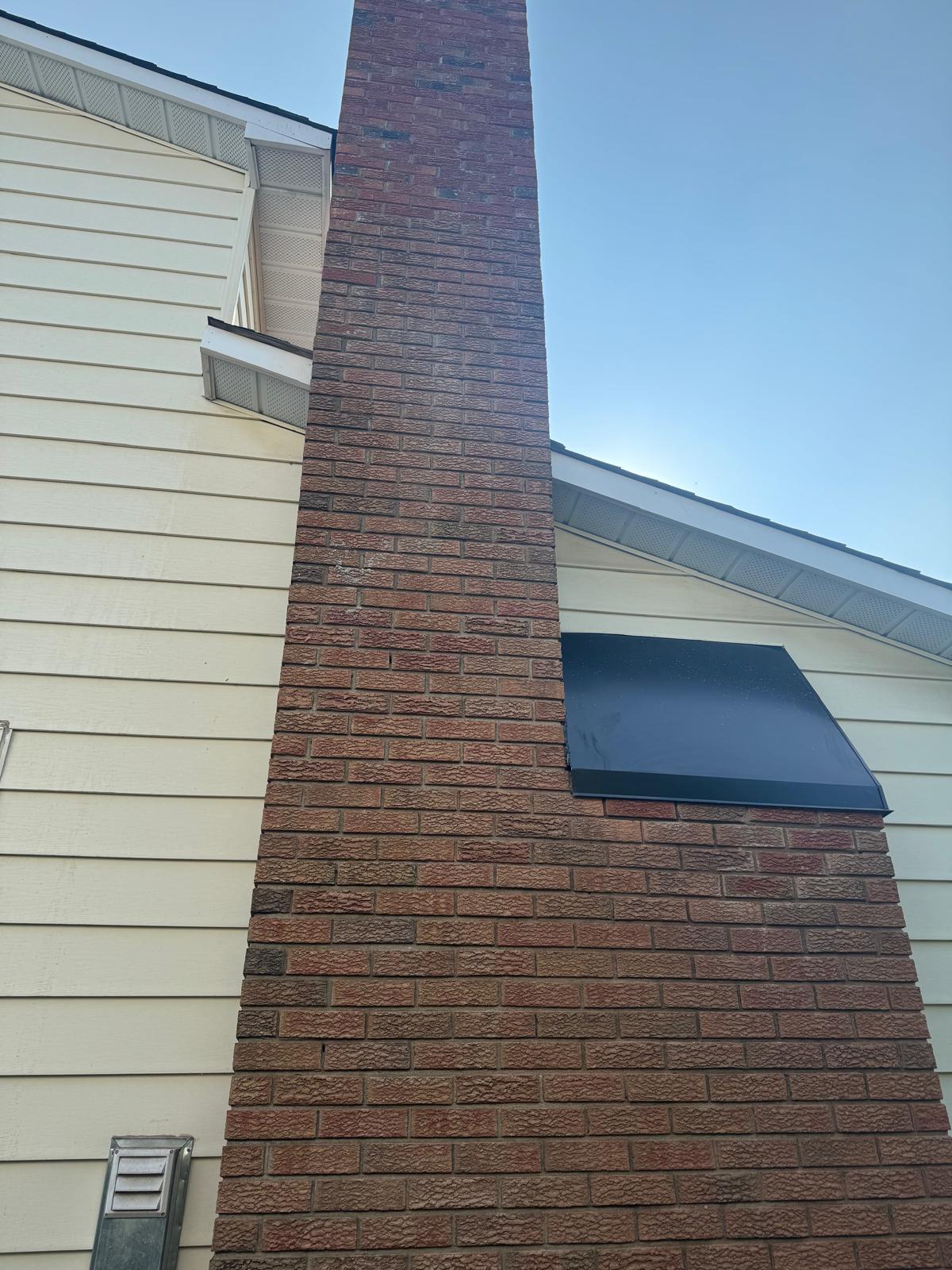
Chimneys are among the most exposed masonry structures on a home. They extend above the roofline and face constant weather exposure.
Common chimney-related water issues include:
- Cracked or missing mortar joints
- Spalling bricks caused by trapped moisture
- Failed chimney crowns
- Water running down interior flues
In Kanata, Stittsville, and Manotick, chimney-related water damage is a frequent issue, especially when repairs focus on appearance instead of proper masonry techniques.
How Steps and Entrances Contribute to Water Problems
Front steps and entrances often connect directly to a home’s foundation. When steps are built without proper drainage or footing:
- Water pools near the foundation
- Moisture seeps into basement walls
- Freeze-thaw movement worsens damage
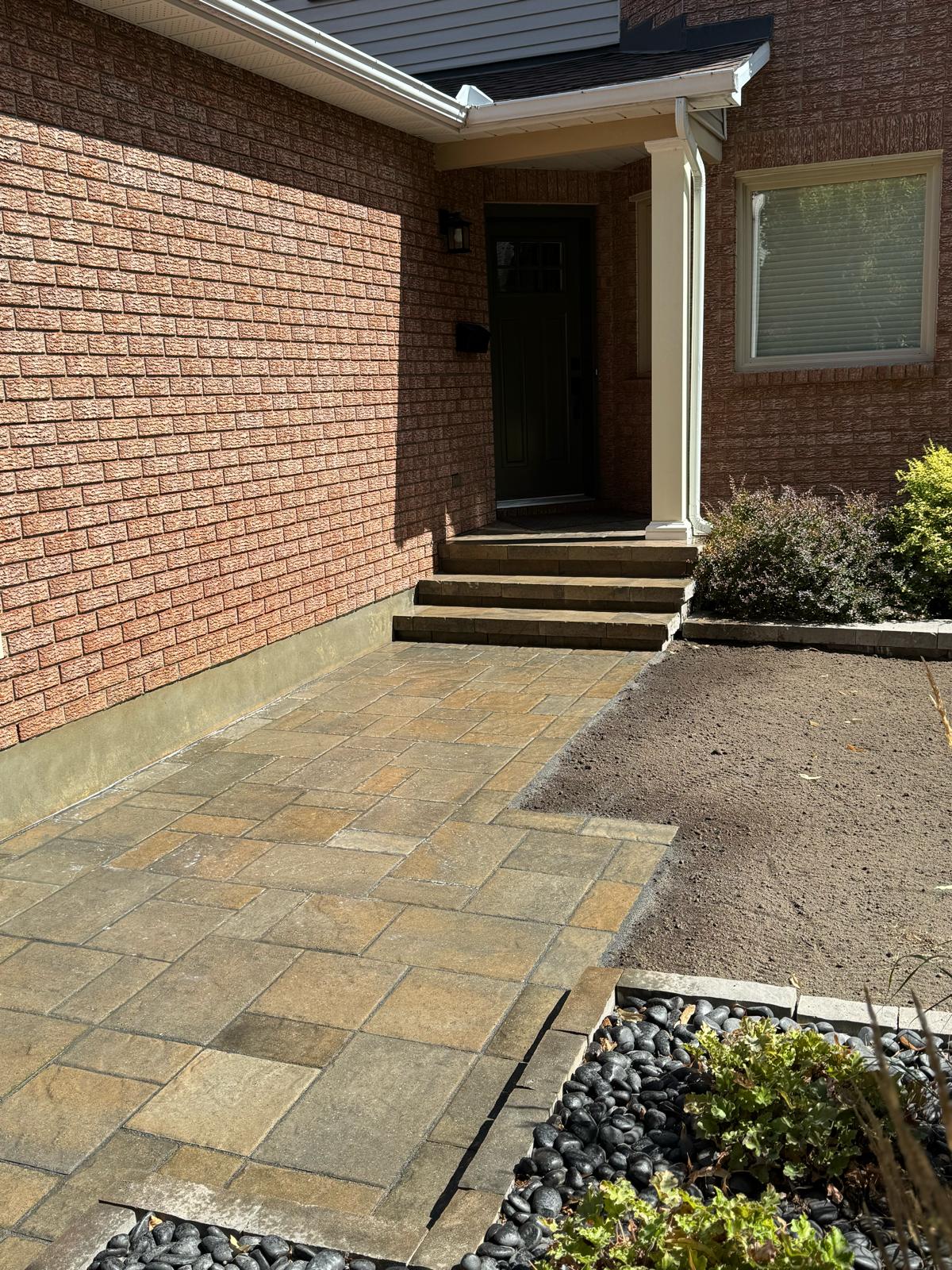
Homes in Arnprior and Kemptville commonly experience this issue due to soil movement and grading challenges. Proper masonry work ensures steps are structurally sound and direct water away from the home.
Patios and Sidewalks: Water Damage Starts From Below
Patios and sidewalks that are improperly built can trap water beneath their surface.
Common issues include:
- Shallow excavation
- Poor base compaction
- Incorrect slope
- Blocked drainage paths
In Ottawa, Kanata, and Stittsville, we often see patios and sidewalks that appear fine on the surface but allow water to collect underneath, eventually leading to sinking, cracking, and water intrusion toward the foundation.
Retaining Walls and Water Pressure
Retaining walls play a critical role in managing soil and water movement. When built without proper drainage:
- Water pressure builds behind the wall
- Moisture is forced toward the home
- Structural failure becomes more likely
In sloped areas of Manotick, Rockland, and Brockville, retaining walls that lack proper drainage systems often contribute directly to long-term water damage issues.
The Importance of Proper Excavation in Water Protection
Excavation is one of the most overlooked aspects of masonry work, yet it has a direct impact on moisture control.
Professional excavation ensures:
- Stable, well-draining base layers
- Reduced water retention near masonry
- Long-term resistance to soil movement
In Stittsville and Kanata, insufficient excavation depth is a leading cause of masonry failure and moisture-related issues.
Why Surface Sealants Alone Are Not the Answer
Many homeowners attempt to prevent water damage by applying surface sealants or coatings. While these may offer short-term protection, they often:
- Trap moisture inside masonry
- Accelerate internal damage
- Hide underlying structural problems
Proper masonry work addresses moisture management at the structural level rather than relying on temporary surface treatments.
How Professional Masonry Allows Masonry to “Breathe”
One of the key principles of long-lasting masonry is allowing moisture to escape rather than trapping it.
Professional masonry techniques:
- Use compatible materials
- Maintain proper joint spacing
- Encourage controlled moisture release
This approach is especially important in Ottawa’s freeze-thaw environment, where trapped moisture can cause rapid deterioration.
Signs Water Damage May Be Linked to Masonry Failure
Homeowners should watch for:
- Damp basement walls
- Efflorescence on brick or stone
- Interior leaks near chimneys
- Cracking or crumbling mortar
- Uneven patios or steps
In Ottawa, Orléans, and Rockland, these signs often point to masonry issues rather than roofing or plumbing problems.
Long-Term Benefits of Proper Masonry Work
Investing in professional masonry provides long-term protection by:
- Reducing water intrusion risks
- Preventing structural deterioration
- Lowering future repair costs
- Preserving property value
Homes across Kanata, Stittsville, and Brockville benefit significantly from masonry work designed with moisture management in mind.
Why Experience Matters in Ottawa’s Climate
Masonry that performs well in other regions may fail quickly in Eastern Ontario. Professional masonry work requires:
- Climate-specific knowledge
- Understanding of local soil conditions
- Proven installation techniques
This experience ensures masonry protects homes year after year rather than becoming a source of ongoing water problems.
Final Thoughts: Masonry as a Long-Term Water Protection System
Water damage rarely starts inside a home — it starts outside. Proper masonry work is one of the most effective ways to protect Ottawa homes from moisture-related issues.
Homeowners across Ottawa, Kanata, Stittsville, Orléans, Manotick, Rockland, Arnprior, Kemptville, and Brockville benefit most from masonry work that is designed to manage water, withstand freeze-thaw cycles, and protect the structure long-term.
Call to Action
For professional masonry repair, chimney repair, retaining walls, patios, sidewalks, steps, and interlock services across Ottawa and surrounding areas:
Phone: (613) 212-5995
Email: info@onecutbrickandstone.com
Contact us to schedule a professional consultation and protect your home from long-term water damage.