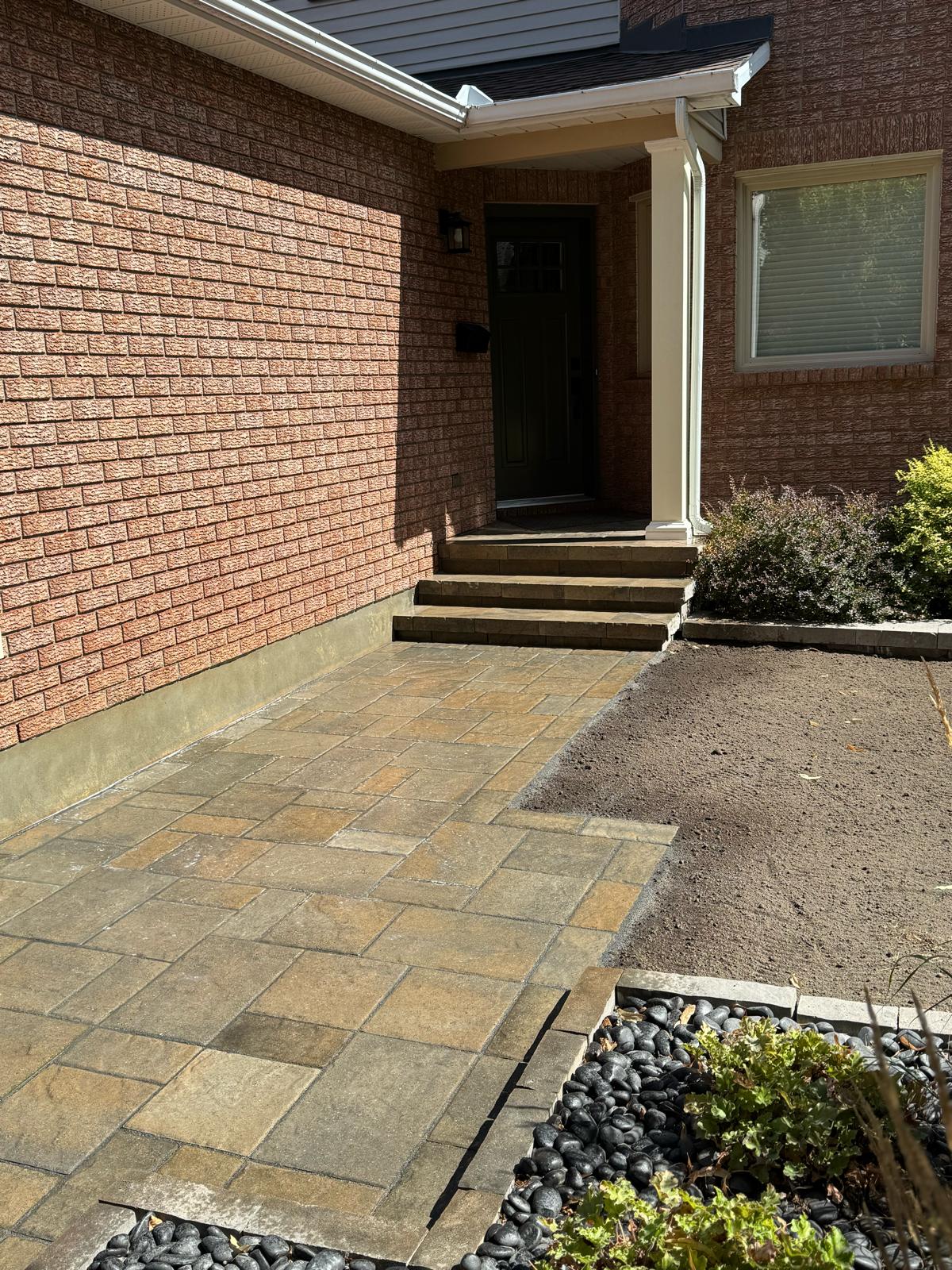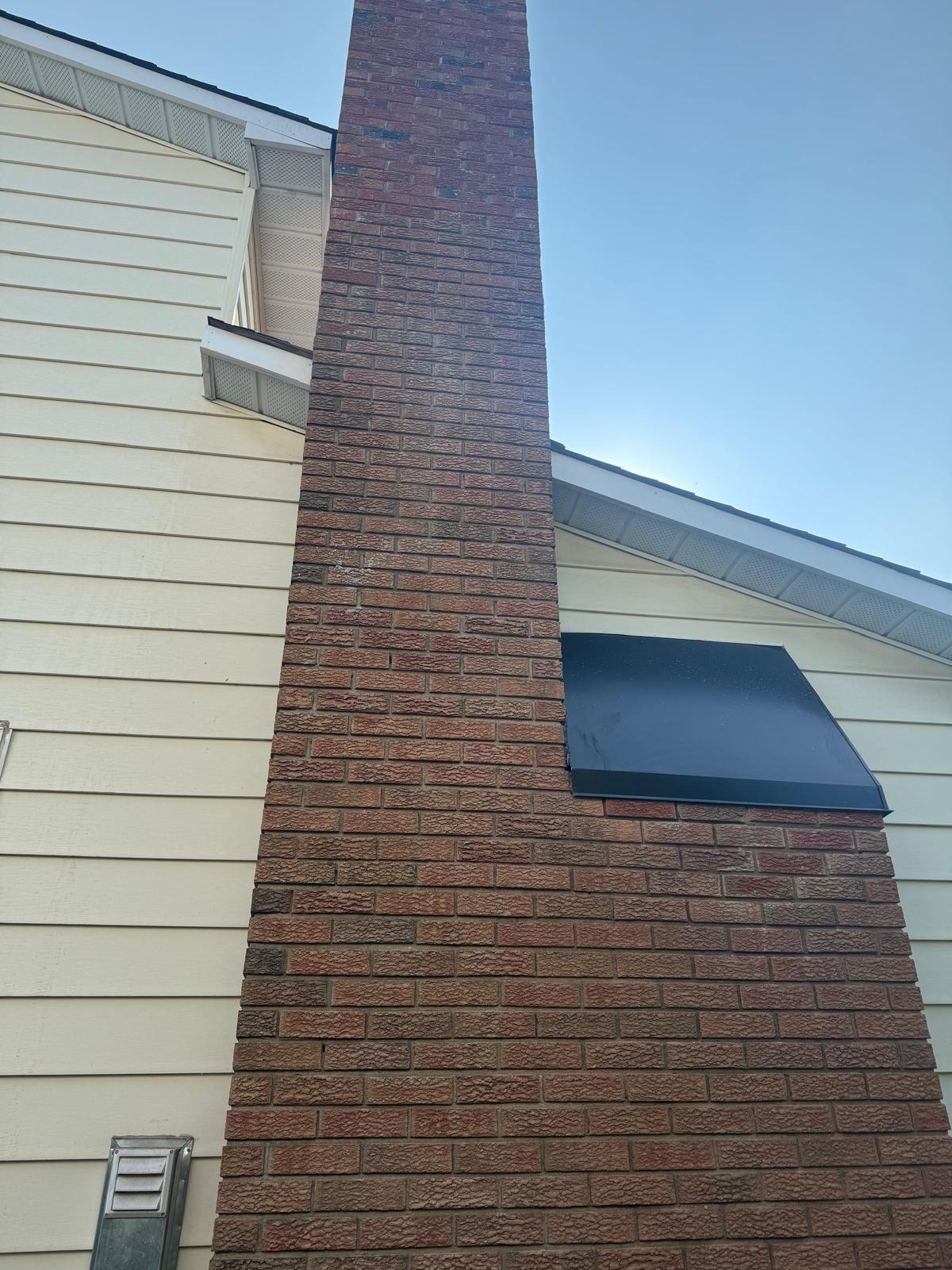

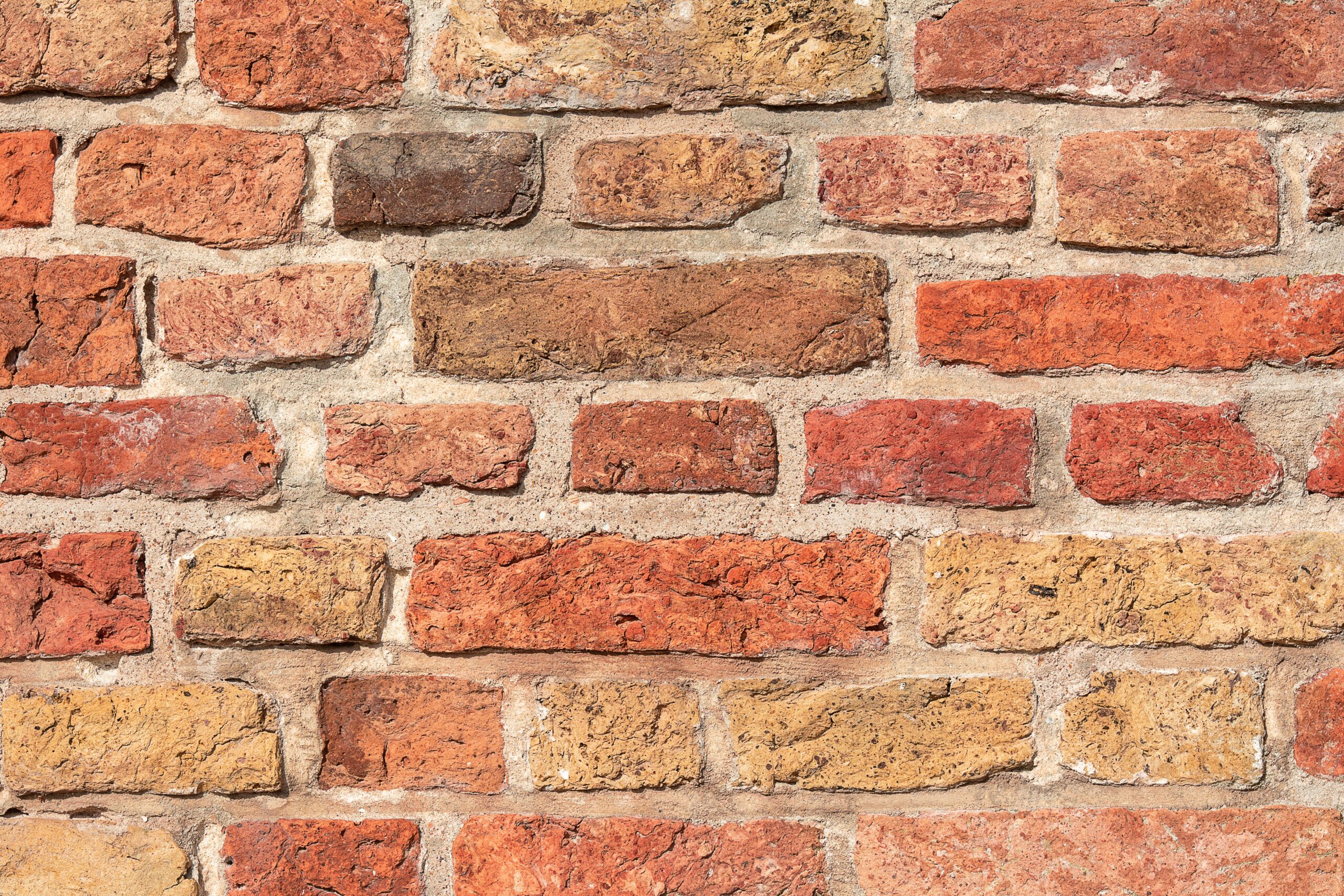
Front steps, porch stairs, garden steps, and masonry stairways are among the most frequently used exterior features of a home. Family members walk across them every day, visitors rely on them to safely reach entrances, and delivery workers may use them throughout the year. Yet because masonry steps are designed to be strong and permanent, homeowners may not pay much attention to them until something begins to move, crack, or deteriorate.
A slightly loose stone or small mortar crack may initially seem like a cosmetic issue. Over time, however, moisture, repeated foot traffic, freeze-thaw cycles, and movement beneath the steps can make the problem worse. A shifting tread can become uneven, damaged joints can allow more water to penetrate, and what started as a localized repair may eventually affect a larger portion of the entrance.
Across Ottawa, Kanata, Stittsville, Orléans, Manotick, Rockland, Arnprior, Kemptville, Brockville, and surrounding Eastern Ontario communities, exterior masonry steps must withstand demanding seasonal conditions.
We believe damaged steps should be evaluated early, while repairs can often remain focused on the affected area. Professional masonry step repair helps restore safety, improve appearance, protect surrounding materials, and extend the life of an important part of the property.
Why Masonry Steps Experience So Much Wear
Exterior steps face a combination of conditions that many vertical masonry surfaces do not.
They are exposed to:
- Repeated foot traffic
- Rain
- Snow
- Ice
- Freeze-thaw cycles
- Snow removal
- De-icing practices
- Soil and base movement
The horizontal surfaces of steps also receive direct precipitation.
Water may sit on treads, collect in deteriorated joints, or penetrate beneath loose stone.
During winter in Ottawa and Kanata, that moisture can repeatedly freeze and thaw, placing additional stress on already weakened areas.
What Causes Masonry Steps to Become Loose?
There is rarely one universal cause.
Loose stone, brick, or masonry units may develop because of:
- Failed mortar
- Water infiltration
- Inadequate drainage
- Freeze-thaw damage
- Settlement
- Deteriorated underlying material
- Age
- Previous improper repairs
The repair should therefore begin with an assessment rather than simply adding mortar around the loose section.
If the material underneath has failed, repairing only the visible joint may not provide lasting stability.
Early Warning Signs Homeowners Should Watch For
Step deterioration often develops gradually.
Homeowners should look for:
- Loose stones or bricks
- Cracked mortar joints
- Uneven tread surfaces
- Chipped corners
- Open gaps
- Movement when stepping on a tread
- Water pooling
- Crumbling mortar
- Separation from adjacent masonry
A tread that rocks slightly underfoot deserves attention.
Movement may increase over time, especially when water reaches the area beneath it.
Why Loose Steps Can Become a Safety Concern
Exterior steps should provide stable, predictable footing.
When individual units move or surfaces become uneven, they can increase the risk of:
- Trips
- Missteps
- Slips
- Falls
The concern becomes even greater during winter when snow or ice can hide irregular surfaces.
Properties throughout Stittsville and Orléans experience months when steps may be wet, snowy, or icy. Maintaining a stable masonry surface helps reduce avoidable hazards around entrances.
Water Can Turn a Small Repair Into a Larger Problem
Water is one of the most important factors affecting exterior masonry.
Consider a small crack around a stone tread.
Rain enters the opening and moves beneath the surface. Temperatures fall below freezing, and the trapped moisture expands. The crack widens slightly.
When warmer conditions return, additional moisture can enter.
Repeated cycles may eventually loosen the tread or damage adjacent mortar.
Addressing the opening early helps interrupt this process.
Proper Drainage Around Steps Is Essential
Masonry steps should not continually collect water.
Professional evaluation may consider whether:
- Treads drain appropriately
- Nearby grading directs water toward the steps
- Downspouts discharge nearby
- Water pools at the base
- Adjacent walkways contribute runoff
Homes throughout Manotick and Rockland can have very different property layouts, but water management remains important regardless of the design.
Repairing damaged masonry while ignoring a persistent drainage problem can allow deterioration to return.
Mortar Joints Are Often the First Component to Fail
Mortar is designed to work with surrounding masonry, but it naturally ages.
Homeowners may notice joints becoming:
- Recessed
- Cracked
- Powdery
- Loose
- Partially missing
If deterioration is limited and the masonry units remain stable, professional repointing may restore the joints.
When stones or bricks have already become loose, however, they may need to be carefully reset rather than simply having new mortar applied around them.
Why Surface Patching Often Does Not Last
A common temporary approach is applying new mortar over an existing cracked joint.
This can make the step look repaired for a short period, but if loose or deteriorated material remains underneath, the new surface may eventually separate.
Proper masonry repair generally requires adequate preparation.
Depending on the condition, this may involve:
- Removing failed mortar
- Cleaning the repair area
- Resetting loose units
- Correcting underlying issues
- Installing compatible new mortar
Preparation is one of the biggest differences between a cosmetic patch and a professional repair.
Cracked Stone Should Be Evaluated Carefully
Natural stone is extremely durable, but it can still crack.
The appropriate response depends on:
- Crack location
- Stone thickness
- Amount of movement
- Degree of deterioration
- Whether the stone remains stable
Some damaged components may be repairable, while severely fractured or unstable stones may require replacement.
We assess the condition of the entire step rather than assuming every crack requires the same solution.
Matching Replacement Stone Matters
When replacement is necessary, appearance becomes an important consideration.
A new stone that differs dramatically from the existing steps can make the repair obvious.
Professional masonry work considers:
- Colour
- Texture
- Dimensions
- Thickness
- Edge profile
- Surrounding masonry
For established properties in Arnprior, Kemptville, and Brockville, careful material selection can help preserve the original character of an entrance.
Brick Steps Require Similar Attention
Not every masonry entrance uses natural stone.
Brick steps can also develop:
- Loose units
- Deteriorated joints
- Spalling
- Cracks
- Uneven surfaces
Because brick is porous, prolonged moisture exposure combined with freezing conditions can damage the face of individual units.
Replacing damaged bricks while restoring surrounding joints can help prevent deterioration from spreading.
Spalling Is More Than a Cosmetic Problem
Spalling occurs when the surface of masonry begins to chip, flake, or break away.
On steps, this can create rough or uneven walking surfaces.
It may also expose more porous interior material to weather.
Homeowners who notice pieces breaking away from stone, brick, or concrete components should consider having the area professionally evaluated.
Settlement Can Affect the Entire Stair Assembly
Sometimes the visible damage is caused by movement beneath the masonry rather than failure of the surface material itself.
Signs of possible settlement may include:
- Several steps becoming uneven
- Gaps between the steps and building
- Repeated cracking
- Movement across a larger area
In these cases, repairing individual joints without addressing the underlying movement may not solve the problem.
Professional evaluation helps determine whether a localized masonry repair or a more extensive reconstruction is appropriate.
Handrail Areas Need Stable Masonry
Where railings connect to masonry, surrounding materials should remain sound.
Loose or deteriorated masonry around an attachment point deserves attention because the area may be subjected to additional forces when people use the railing for support.
Repairs should preserve both the masonry and the safe function of the entrance system.
Front Steps Have a Major Impact on Curb Appeal
The front entrance naturally draws attention.
Even a beautiful brick façade can look neglected when the steps are:
- Cracked
- Uneven
- Heavily deteriorated
- Poorly patched
Professional restoration can significantly improve the overall appearance of the property without requiring an entirely new entrance when the existing structure remains suitable for repair.
Clean joints and stable masonry create a more finished and welcoming appearance.
Garden and Backyard Steps Should Not Be Forgotten
Maintenance should not stop at the front door.
Backyard landscapes throughout Ottawa, Kanata, and Stittsville may include masonry steps connecting:
- Patios
- Walkways
- Gardens
- Retaining walls
- Outdoor living areas
These steps experience the same weather exposure as front entrances and may receive less routine attention.
Homeowners should include them in seasonal property inspections.
When Is Repair Better Than Replacement?
Professional repair may be appropriate when:
- Damage is localized
- The underlying structure remains stable
- Most masonry is in good condition
- Loose units can be properly reset
Replacement or reconstruction may make more sense when:
- Deterioration is widespread
- Significant settlement has occurred
- Multiple components are unstable
- The underlying structure has failed
The best decision depends on actual site conditions rather than appearance alone.
Why Early Repairs Can Save Original Masonry
One advantage of addressing loose steps quickly is that serviceable materials may be preserved.
A single loose tread repaired today may prevent water from reaching surrounding joints for several additional winters.
Waiting until several units have shifted can increase the scope of work.
Early intervention is therefore valuable both financially and architecturally.
Professional Repairs Are Designed for Local Conditions
Masonry work in Eastern Ontario must account for the regional climate.
A durable repair considers:
- Moisture exposure
- Freeze-thaw movement
- Material compatibility
- Drainage
- Existing construction
Homes throughout Ottawa, Kanata, Stittsville, Orléans, Manotick, Rockland, Arnprior, Kemptville, and Brockville all experience seasonal conditions that make these details important.
Professional workmanship is about creating a repair that performs through future seasons, not simply improving appearance on the day the project is completed.
Simple Maintenance Can Extend the Life of Masonry Steps
After repairs, homeowners can help protect their entrance through routine care.
Good practices include:
- Inspecting joints periodically
- Keeping nearby drainage clear
- Addressing loose masonry promptly
- Avoiding overly aggressive surface cleaning
- Removing snow carefully
- Watching for recurring movement
Homeowners should also pay attention to how water behaves during heavy rain.
Persistent pooling may indicate that drainage improvements deserve consideration.
Final Thoughts
Loose masonry steps should not be treated as an unavoidable part of an aging home. A shifting tread, cracked joint, or damaged stone can indicate that water or movement is beginning to affect the entrance.
Timely professional repairs can restore stable footing, improve curb appeal, preserve existing materials, and help prevent localized deterioration from spreading.
For homeowners throughout Ottawa and surrounding Eastern Ontario communities, maintaining exterior steps is an important part of protecting both the safety and long-term appearance of the property.
Restore the Safety and Beauty of Your Masonry Steps
For professional masonry step repair, natural stone restoration, brick repair, repointing, front entrance masonry, retaining walls, patios, walkways, chimney masonry, foundation masonry, and complete exterior masonry services throughout Ottawa and surrounding communities, our team is ready to help.
Phone: (613) 212-5995
Email: info@onecutbrickandstone.com
Contact us today to schedule a professional masonry consultation. We can assess loose or deteriorated steps, identify the cause of the damage, and recommend a durable repair designed to restore the safety, appearance, and long-term performance of your entrance.