
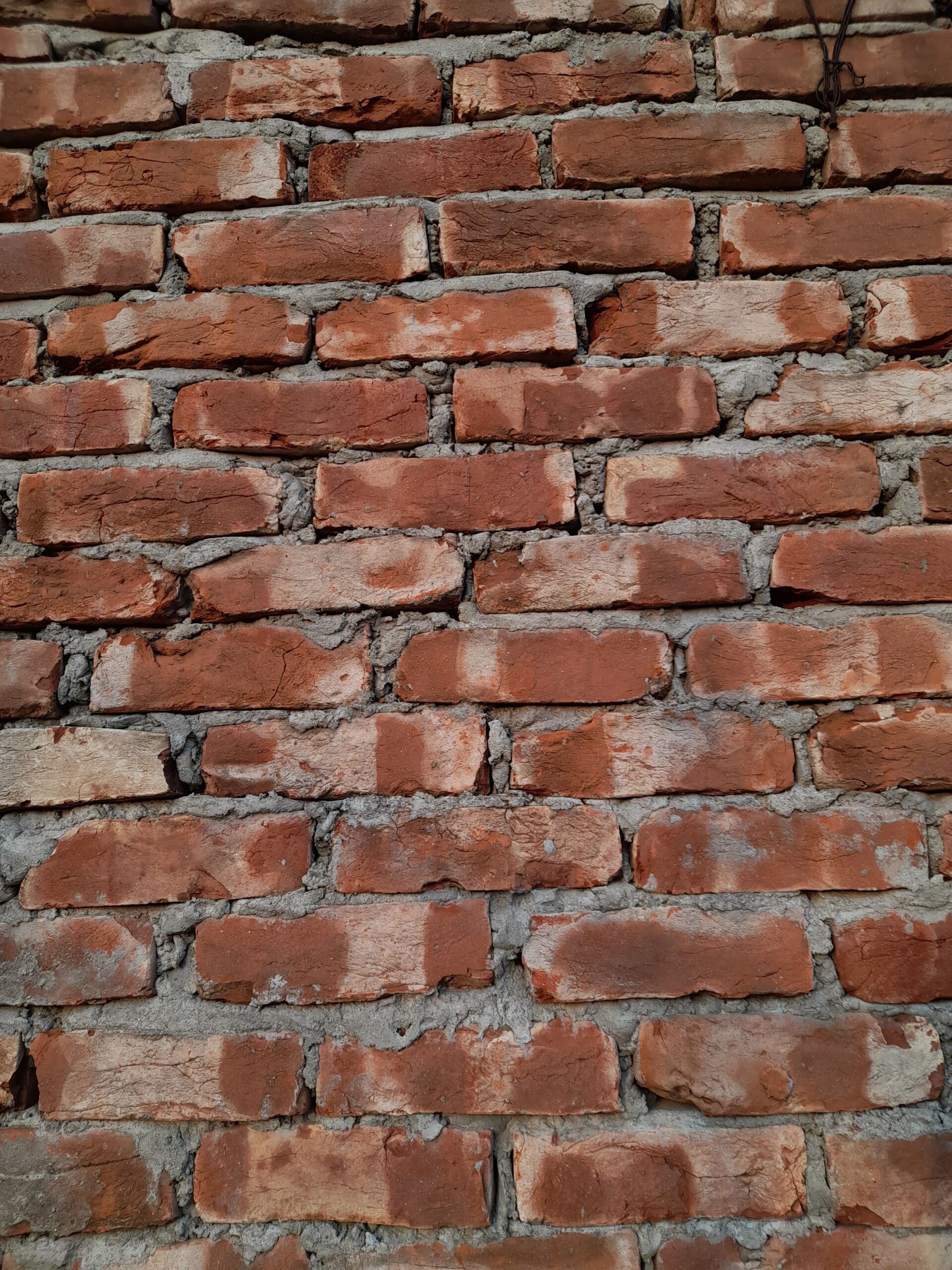
A white, chalky or powdery coating appearing across brick, stone, mortar, or other masonry can be surprising for homeowners. The masonry may have looked perfectly normal a few months earlier, only for pale streaks or cloudy deposits to suddenly become visible after a wet season.
These deposits are commonly known as efflorescence. Although efflorescence itself is often a surface deposit rather than masonry failure, it can provide useful information about how moisture is moving through a wall, chimney, retaining wall, foundation area, or other masonry feature.
For homeowners throughout Ottawa, Kanata, Stittsville, Orléans, Manotick, Rockland, Arnprior, Kemptville, Brockville, and surrounding Eastern Ontario communities, understanding the difference between ordinary surface staining and signs of an ongoing moisture problem can help prevent unnecessary repairs while ensuring genuine masonry issues receive attention.
We believe white staining should be evaluated in context. Simply removing the visible deposit may improve appearance, but if moisture continues travelling through the masonry, the staining can return.
The better approach is to understand what the masonry is communicating.
What Is Efflorescence?
Efflorescence is a crystalline or powdery deposit that can develop on masonry surfaces.
Brick, mortar, concrete, and some stone products contain naturally occurring soluble salts. Moisture can dissolve these salts while moving through the material.
When that moisture reaches the exterior surface and evaporates, it can leave the salts behind.
The basic process is straightforward:
- Moisture enters or moves through masonry.
- The water dissolves soluble salts.
- Moisture travels toward the surface.
- Water evaporates.
- Mineral deposits remain behind.
Those deposits commonly appear white or light grey.
Does Efflorescence Mean the Masonry Is Damaged?
Not necessarily.
Efflorescence can occur even on relatively new masonry as construction moisture gradually dries.
A limited amount of temporary staining may disappear as conditions change.
However, recurring or widespread efflorescence deserves closer attention because it indicates one important fact: moisture is moving through the masonry.
The real question becomes where that moisture is coming from and whether the amount is normal.
Why Ottawa Homes Can Experience Efflorescence
Eastern Ontario masonry experiences substantial seasonal moisture exposure.
Properties throughout Ottawa and Kanata regularly encounter:
- Heavy rain
- Melting snow
- Ice
- High humidity
- Freeze-thaw cycles
- Rapid seasonal temperature changes
Water may reach masonry through ordinary weather exposure, but excessive moisture can also result from drainage or maintenance problems.
When masonry remains unusually wet, efflorescence may become more persistent.
Where Does the Moisture Come From?
There are numerous possible sources.
Exterior moisture may originate from:
- Rain
- Melting snow
- Roof runoff
- Damaged gutters
- Improperly directed downspouts
- Poor grading
- Cracked mortar joints
- Damaged masonry caps
- Failed or deteriorated joints around openings
- Ground moisture
The location of the staining can sometimes provide clues.
For example, recurring deposits beneath a damaged window sill may suggest water is moving through that area.
Staining concentrated near the bottom of a wall may involve a different moisture source.
Professional assessment helps connect the visible symptom with the surrounding conditions.
Why Simply Washing the Stain Away May Not Solve the Problem
Cleaning efflorescence can improve the appearance of masonry, but cleaning does not necessarily stop it from returning.
If moisture continues travelling through the wall, additional salts may eventually reach the surface.
Homeowners can therefore become trapped in a cycle:
Clean the wall, wait for the stain to return, and clean it again.
When staining repeatedly develops in the same area, identifying the moisture source becomes more important than repeatedly treating the surface.
Gutters and Downspouts Can Affect Masonry
Water management around the roof is closely connected to exterior masonry performance.
A leaking or overflowing gutter can repeatedly saturate a section of brickwork.
Similarly, a downspout that discharges too close to a masonry wall or foundation may increase moisture exposure near the bottom of the structure.
Homeowners throughout Stittsville, Orléans, and Rockland should periodically observe their properties during rainfall.
Watching where water actually travels can reveal drainage problems that may not be obvious on a dry day.
Damaged Mortar Joints Can Increase Moisture Entry
Mortar is an important part of the masonry system.
As joints deteriorate, homeowners may notice:
- Cracking
- Recessed mortar
- Missing sections
- Loose material
- Open gaps
These areas can provide additional opportunities for water penetration.
When deteriorated mortar appears near recurring efflorescence, professional repointing may be part of the solution if the joints are contributing to excessive moisture entry.
However, the entire area should be evaluated before assuming the mortar is the only cause.
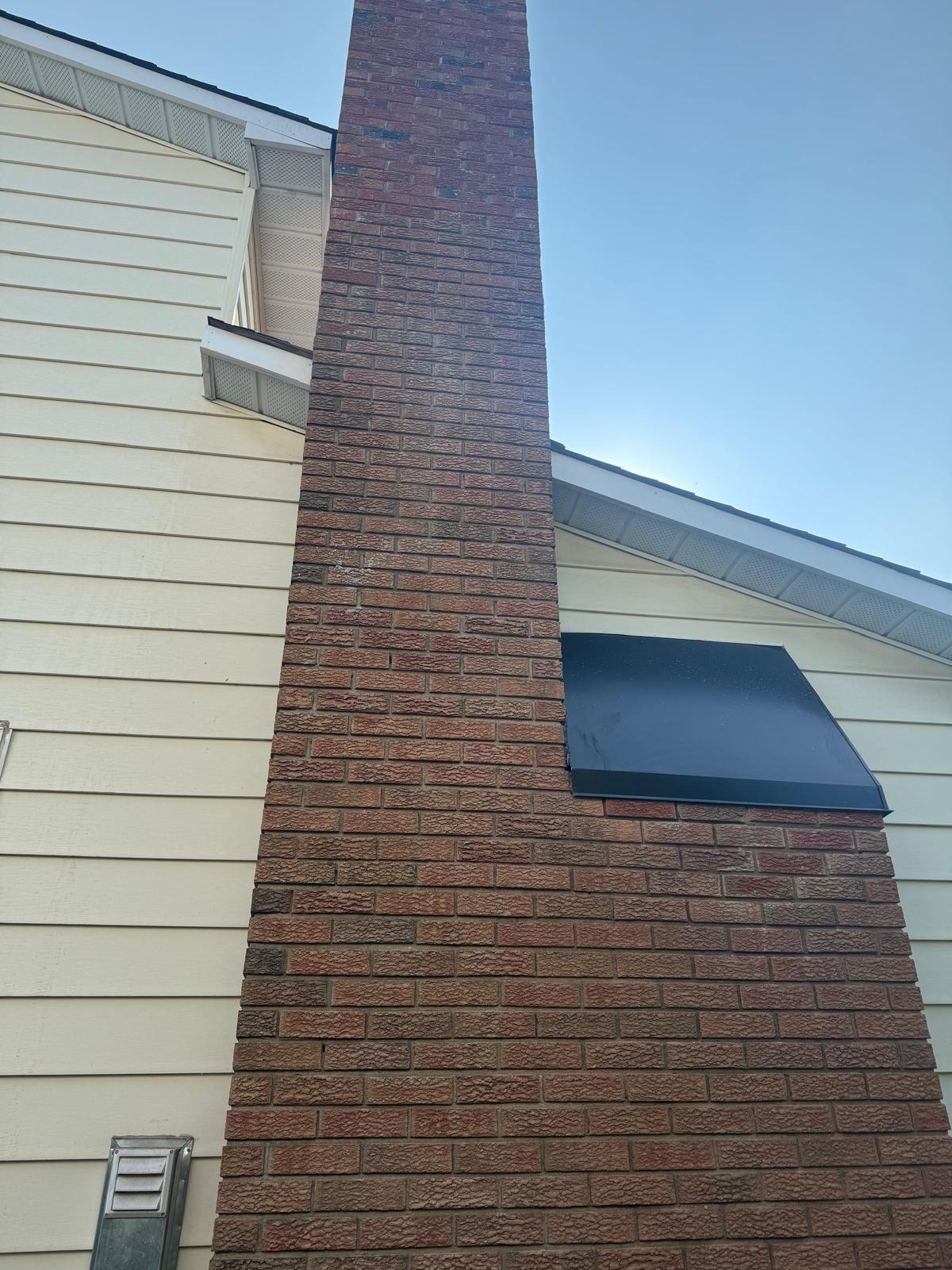
Chimneys Are Particularly Exposed
Chimneys receive some of the harshest weather exposure on a home.
Because they extend above the roofline, they encounter:
- Wind-driven rain
- Snow
- Ice
- Temperature extremes
Efflorescence on a chimney can indicate moisture movement through the masonry.
Homeowners should also look for accompanying signs such as:
- Deteriorated mortar
- Spalling brick
- Cracked caps
- Loose masonry
- Damaged joints
White staining combined with visible deterioration deserves professional attention.
Retaining Walls Can Develop White Deposits Too
Efflorescence is not limited to house façades.
Retaining walls may experience significant moisture because soil behind the wall naturally contains water.
A properly designed retaining wall requires appropriate drainage to help relieve water pressure.
If drainage becomes inadequate, moisture exposure may increase.
Homeowners in Manotick, Kemptville, and surrounding communities with landscaped properties should pay attention to retaining walls after periods of heavy rainfall.
Recurring white staining, combined with movement or deterioration, may indicate that the wall requires assessment.
What About Foundation Masonry?
White deposits can also appear on exposed foundation masonry.
Again, the location matters.
Moisture around foundations may be influenced by:
- Grading
- Downspouts
- Surface drainage
- Landscaping
- Ground conditions
If staining is persistent or accompanied by cracking or visible moisture problems, professional evaluation is worthwhile.
Surface appearance alone does not provide enough information to determine the cause.
Efflorescence and Spalling Are Different
These two masonry conditions are sometimes confused.
Efflorescence generally appears as a mineral deposit on the surface.
Spalling involves actual deterioration of the masonry material, such as flaking, chipping, or pieces breaking away.
A wall can have efflorescence without spalling.
However, prolonged moisture exposure combined with freeze-thaw cycles may eventually contribute to more serious deterioration in vulnerable masonry.
This is why persistent moisture should not simply be ignored.
Freeze-Thaw Cycles Make Moisture Management Important
Water entering masonry becomes especially concerning when temperatures fall below freezing.
Moisture can freeze and expand within cracks, pores, or deteriorated joints.
Repeated cycles may contribute to:
- Larger cracks
- Mortar deterioration
- Brick spalling
- Loose masonry
Properties throughout Arnprior and Brockville, like Ottawa-area homes, experience the seasonal conditions that make preventative masonry maintenance valuable.
The goal is not to keep exterior masonry completely dry—an unrealistic expectation—but to prevent unnecessary or uncontrolled moisture accumulation.
Should Homeowners Paint Over Efflorescence?
Covering white deposits with paint or another coating may hide the symptom temporarily, but it does not automatically correct the moisture source.
Applying inappropriate coatings to masonry can also affect how the wall manages moisture.
Before covering a masonry surface, homeowners should understand:
- Why staining is occurring
- Whether moisture is still active
- What material the wall contains
- Whether the proposed coating is appropriate
Professional advice can help prevent a cosmetic solution from creating additional maintenance problems.
Be Careful with Aggressive Cleaning
Homeowners understandably want stained masonry to look clean again.
However, overly aggressive cleaning can damage brick faces, stone, or mortar joints.
High-pressure washing or harsh products may cause unnecessary deterioration if used incorrectly.
Cleaning methods should be appropriate for the specific masonry material and condition.
In many cases, correcting the moisture source is more important than immediately achieving a perfectly clean surface.
New Masonry Can Sometimes Show Temporary Efflorescence
White deposits do not automatically indicate poor workmanship.
New masonry contains moisture from construction materials and installation. As the assembly dries, soluble salts may migrate toward the surface.
Temporary efflorescence can therefore occur during the early life of some masonry installations.
The important distinction is whether the condition gradually decreases or repeatedly returns because of an ongoing moisture source.
Look at the Pattern, Not Just the Colour
The pattern of staining can provide valuable clues.
Homeowners should note whether deposits are:
- Concentrated beneath windows
- Located below roof edges
- Near downspouts
- Close to grade
- Spread evenly across a wall
- Appearing around cracks
- Limited to retaining walls
- Developing on chimney masonry
Taking photographs over several months can also help determine whether the condition is changing.
This information can be useful during a professional masonry inspection.
When Should a Masonry Professional Be Called?
Professional assessment is especially worthwhile when efflorescence appears alongside:
- Cracked mortar
- Spalling bricks
- Loose masonry
- Bulging walls
- Persistent dampness
- Significant cracking
- Damaged window sills
- Deteriorated chimney masonry
The presence of multiple symptoms may indicate that the masonry is experiencing more than ordinary surface staining.
We focus on evaluating the broader masonry condition rather than treating one visual symptom in isolation.
Preventative Maintenance Can Reduce Moisture Problems
Homeowners can help protect exterior masonry through straightforward maintenance.
Regularly:
- Clean gutters
- Check downspouts
- Maintain appropriate grading
- Inspect mortar joints
- Monitor window sills
- Check masonry caps
- Look for new cracks
- Address drainage problems
These measures can reduce unnecessary water exposure and help masonry perform as intended.
Why Local Masonry Experience Matters
Masonry repairs should account for the environment in which the materials must perform.
Homes throughout Ottawa, Kanata, Stittsville, Orléans, Manotick, Rockland, Arnprior, Kemptville, and Brockville experience significant seasonal variation.
A professional familiar with local conditions understands how moisture and freeze-thaw cycles can affect:
- Brick
- Mortar
- Natural stone
- Chimneys
- Retaining walls
- Steps
- Foundations
That local experience helps distinguish between normal weathering and conditions requiring repair.
Protecting the Appearance of Brick and Stone
Efflorescence can significantly change the appearance of otherwise attractive masonry.
Dark brick may develop cloudy white patches. Natural stone may lose some of its visual definition beneath mineral deposits.
Addressing the cause of persistent moisture can help preserve the original appearance of these materials.
This is especially valuable for homeowners who have invested in high-quality brickwork, stone façades, landscaping, and custom masonry features.
Final Thoughts
White staining on brick or stone should not automatically cause alarm, but it should not always be dismissed either.
Efflorescence is evidence that moisture has moved through masonry and deposited salts on the surface.
Sometimes the condition is temporary. In other situations, recurring deposits can point toward excessive moisture caused by deteriorated mortar, drainage problems, damaged masonry components, or other exterior conditions.
The key is understanding the source.
For homeowners throughout Ottawa and Eastern Ontario, monitoring efflorescence alongside the overall condition of the masonry can help identify maintenance needs before moisture contributes to more extensive deterioration.
Concerned About White Staining or Moisture in Your Masonry?
Our team provides professional masonry inspections, brick repair, repointing, chimney repair, natural stonework, retaining wall repair, step restoration, foundation masonry, patios, walkways, and exterior masonry services throughout Ottawa, Kanata, Stittsville, Orléans, Manotick, Rockland, Arnprior, Kemptville, Brockville, and surrounding communities.
Phone: (613) 212-5995
Email: info@onecutbrickandstone.com
Contact us today to arrange a professional masonry consultation. We can assess staining, deteriorated mortar, moisture-related damage, and other masonry concerns and recommend an appropriate approach to help protect the appearance, durability, and long-term value of your property.