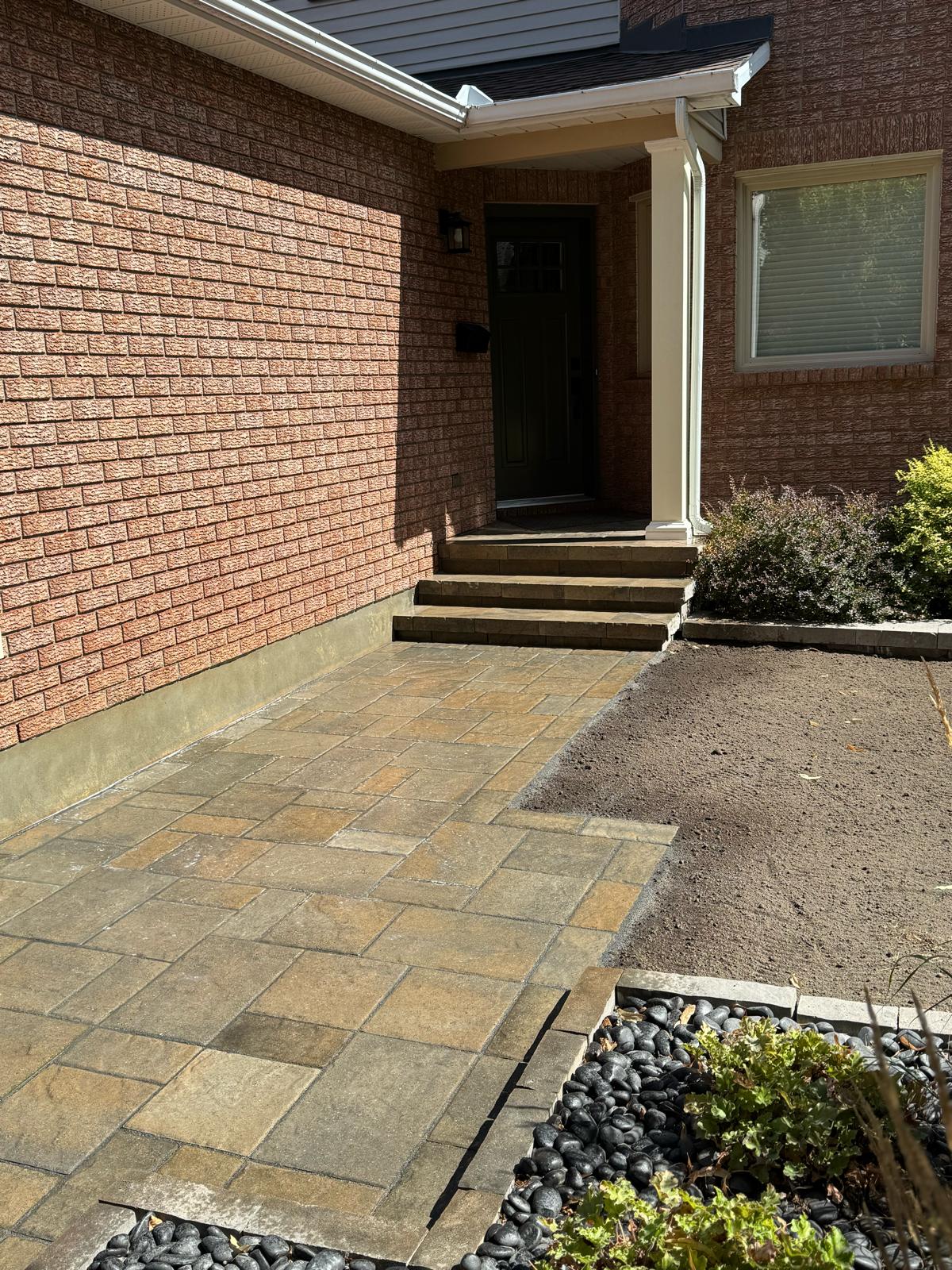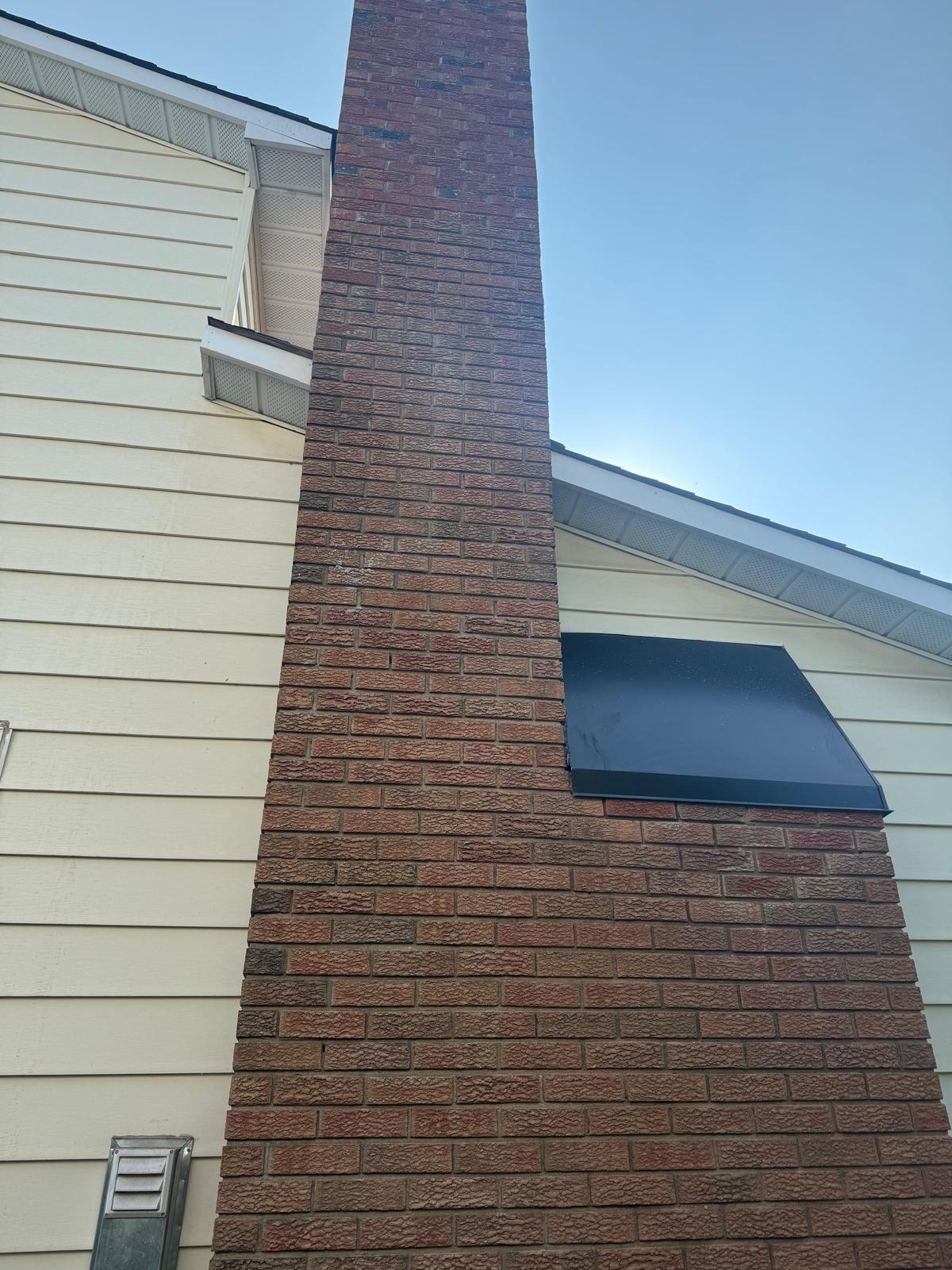

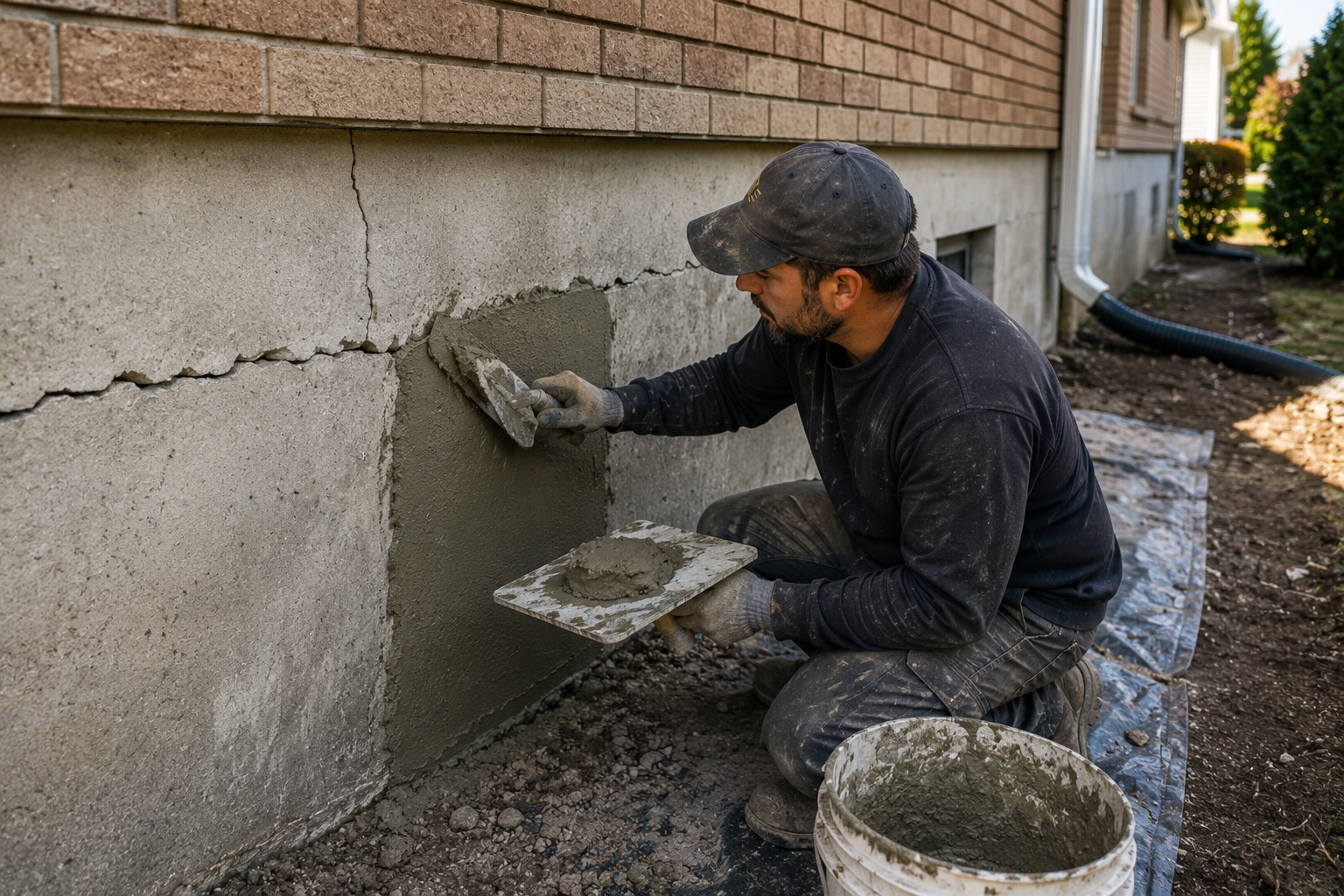
A beautifully built retaining wall, garden wall, entrance pillar, or masonry feature can be constructed from durable brick or natural stone, but one relatively small detail can have a major influence on how well that structure handles years of weather: the material installed across the top.
Wall caps and coping stones provide the finished upper surface of many masonry structures. Beyond improving appearance, they help manage rain and melting snow by reducing direct moisture exposure to the masonry below.
For homeowners throughout Ottawa, Kanata, Stittsville, Orléans, Manotick, Rockland, Arnprior, Kemptville, Brockville, and surrounding Eastern Ontario communities, this protection is particularly valuable because masonry must endure repeated rain, snow, ice, and freeze-thaw cycles.
We consider caps and coping an important part of a complete masonry system. When they crack, loosen, shift, or develop failed joints, repairing them early can help protect the larger structure underneath.
What Are Wall Caps and Coping Stones?
Although terminology varies depending on the masonry feature, caps and coping generally describe the materials installed across the top of a wall or pillar.
They may be made from:
- Natural stone
- Precast masonry
- Concrete products
- Other suitable masonry materials
They are commonly found on:
- Retaining walls
- Garden walls
- Entrance pillars
- Seat walls
- Decorative landscape walls
- Porch features
A properly designed cap creates a finished appearance while helping water move away from the wall beneath it.
Why the Top of a Masonry Wall Needs Protection
Horizontal masonry surfaces receive much more direct precipitation than vertical surfaces.
Rain lands directly on the top of the wall. Snow accumulates there during winter, and melting snow can keep the area wet for extended periods.
Without an effective cap, moisture may enter joints and masonry units more easily.
Over time, excessive moisture can contribute to:
- Mortar deterioration
- Staining
- Cracking
- Spalling
- Loose masonry
A well-installed cap acts like a protective finishing layer.
Ottawa’s Freeze-Thaw Cycles Increase the Importance
Moisture becomes particularly troublesome when temperatures repeatedly move above and below freezing.
Water can enter small cracks or deteriorated joints and freeze when temperatures drop.
As conditions warm, the ice melts. Additional moisture can then enter before the next freeze.
Properties throughout Ottawa, Kanata, and Stittsville experience these cycles regularly.
A cracked cap that appears relatively minor in autumn may look considerably worse after another winter.
Signs That Coping Stones Need Attention
Homeowners should periodically inspect the tops of exterior masonry walls.
Warning signs include:
- Cracked stones
- Loose caps
- Open mortar joints
- Missing mortar
- Pieces breaking away
- Uneven sections
- White staining
- Water staining beneath the cap
Movement should be taken particularly seriously.
A loose coping stone can allow water beneath it while also becoming increasingly unstable.
Proper Overhang Helps Direct Water Away
A cap should do more than cover the top of a wall.
Depending on the design, it may extend beyond the wall face so rainwater drops away rather than continuously running down the masonry.
This helps reduce unnecessary saturation of:
- Mortar joints
- Brick faces
- Natural stone
- Wall surfaces
Small design details like appropriate projection can make a meaningful difference in how the masonry manages water.
Joints Between Caps Are Vulnerable Areas
Even when the coping stones themselves remain in excellent condition, the joints between them may deteriorate.
These joints receive substantial weather exposure.
Once they crack or open, water can penetrate between and underneath the stones.
Professional masonry maintenance may involve removing deteriorated joint material and restoring the joints with compatible materials.
Ignoring failed joints can eventually allow deterioration to spread beyond the top surface.
Retaining Wall Caps Protect a Major Investment
A professionally built retaining wall may serve both structural and landscaping purposes.
It can:
- Manage elevation changes
- Define gardens
- Support outdoor spaces
- Improve curb appeal
Protecting the top of that wall therefore makes sense.
For properties throughout Orléans, Manotick, and Rockland, retaining walls may experience considerable moisture from both weather and surrounding landscaping.
Maintaining coping stones is one part of protecting the overall wall system.
Pillar Caps Are Equally Important
Masonry pillars are commonly incorporated into:
- Driveway entrances
- Front porches
- Gates
- Landscape designs
Because pillars have relatively small but fully exposed horizontal tops, caps provide important protection.
A damaged pillar cap can allow water to enter the masonry below.
Homeowners may eventually notice:
- Cracked mortar
- Loose stone
- Spalling brick
- Staining
Repairing the top can help prevent continued moisture exposure.
Cracked Caps Should Not Automatically Be Patched
Not every crack requires replacement, but simply filling a visible opening may not always provide a lasting repair.
A professional should consider:
- Why the cap cracked
- Whether it has shifted
- Condition of the material
- Condition of the supporting masonry
- Water exposure
- Surrounding joints
If the stone remains stable, repair may be possible.
If it is severely fractured or loose, replacement may provide better long-term performance.
Matching Replacement Stone Matters
When a coping stone needs replacement, the new material should complement the existing masonry.
Professionals may consider:
- Colour
- Texture
- Thickness
- Dimensions
- Edge profile
- Surrounding stone or brick
This is particularly important on decorative walls and entrance features where the cap is highly visible.
Careful matching helps preserve the original design rather than creating an obvious repair.
Coping Can Transform the Finished Appearance
Caps are functional, but they are also an important design feature.
A well-selected coping stone creates a strong visual finish and can complement:
- Natural stone façades
- Interlock patios
- Walkways
- Masonry steps
- Outdoor kitchens
- Landscaping
For custom masonry projects, coping can help visually connect several outdoor features into one cohesive design.
Seat Walls Need Comfortable, Durable Caps
Low masonry walls are sometimes incorporated into patios as permanent seating.
In these applications, the cap becomes both a protective component and a functional surface.
The material should create a comfortable, stable finish while complementing the patio.
Professional installation helps ensure individual pieces remain properly positioned and joints are appropriately finished.
Water Staining Below the Cap Deserves Attention
Homeowners may notice dark streaks or mineral deposits beneath wall caps.
These patterns can provide clues about how water is travelling across the masonry.
Persistent staining may indicate:
- Failed joints
- Cracked coping
- Poor water shedding
- Excessive moisture exposure
Cleaning the stain may improve appearance, but identifying the moisture source is more important when the problem repeatedly returns.
Early Repairs Can Protect the Wall Below
One of the biggest benefits of maintaining wall caps is prevention.
Repairing several deteriorated coping joints may be relatively localized.
Allowing water to enter the wall for several additional years can potentially contribute to deterioration of a much larger area.
Preventative masonry maintenance helps preserve existing materials before damage becomes widespread.
Include Caps in Seasonal Masonry Inspections
Homeowners frequently inspect walls for cracks but forget to look at the top.
During routine property maintenance, check:
- Retaining wall caps
- Garden wall coping
- Pillar tops
- Porch masonry
- Seat walls
Spring is particularly useful for identifying damage that may have developed during winter.
Homes throughout Arnprior, Kemptville, and Brockville face the same regional weather conditions, making annual visual checks worthwhile.
Professional Installation Matters from the Beginning
Durability begins with proper construction.
Professional installation considers:
- Suitable materials
- Stable placement
- Appropriate joints
- Water management
- Alignment
- Consistent appearance
The objective is not simply to place attractive stone across the top of a wall. The coping needs to function as part of the overall masonry assembly.
Final Thoughts
Wall caps and coping stones may appear to be finishing details, but they perform an important protective role.
By helping manage rain, snow, and melting ice, properly installed coping can reduce unnecessary moisture exposure to the masonry underneath.
For homeowners throughout Ottawa, Kanata, Stittsville, Orléans, Manotick, Rockland, Arnprior, Kemptville, Brockville, and surrounding Eastern Ontario communities, maintaining cracked or deteriorated caps can help extend the life of retaining walls, pillars, garden walls, and other masonry features.
Small repairs at the top of a wall today can help prevent much larger restoration needs tomorrow.
Protect Your Masonry from the Top Down
Our team provides professional wall cap and coping stone installation and repair, retaining walls, natural stonework, brick restoration, masonry steps, interlock patios, walkways, chimney masonry, parging, foundation masonry, and exterior masonry services throughout Ottawa and surrounding communities.
Phone: (613) 212-5995
Email: info@onecutbrickandstone.com
Contact us today to arrange a professional masonry consultation. We can assess damaged coping, loose caps, deteriorated joints, and surrounding masonry and recommend a durable solution designed to protect the beauty, performance, and long-term value of your property.