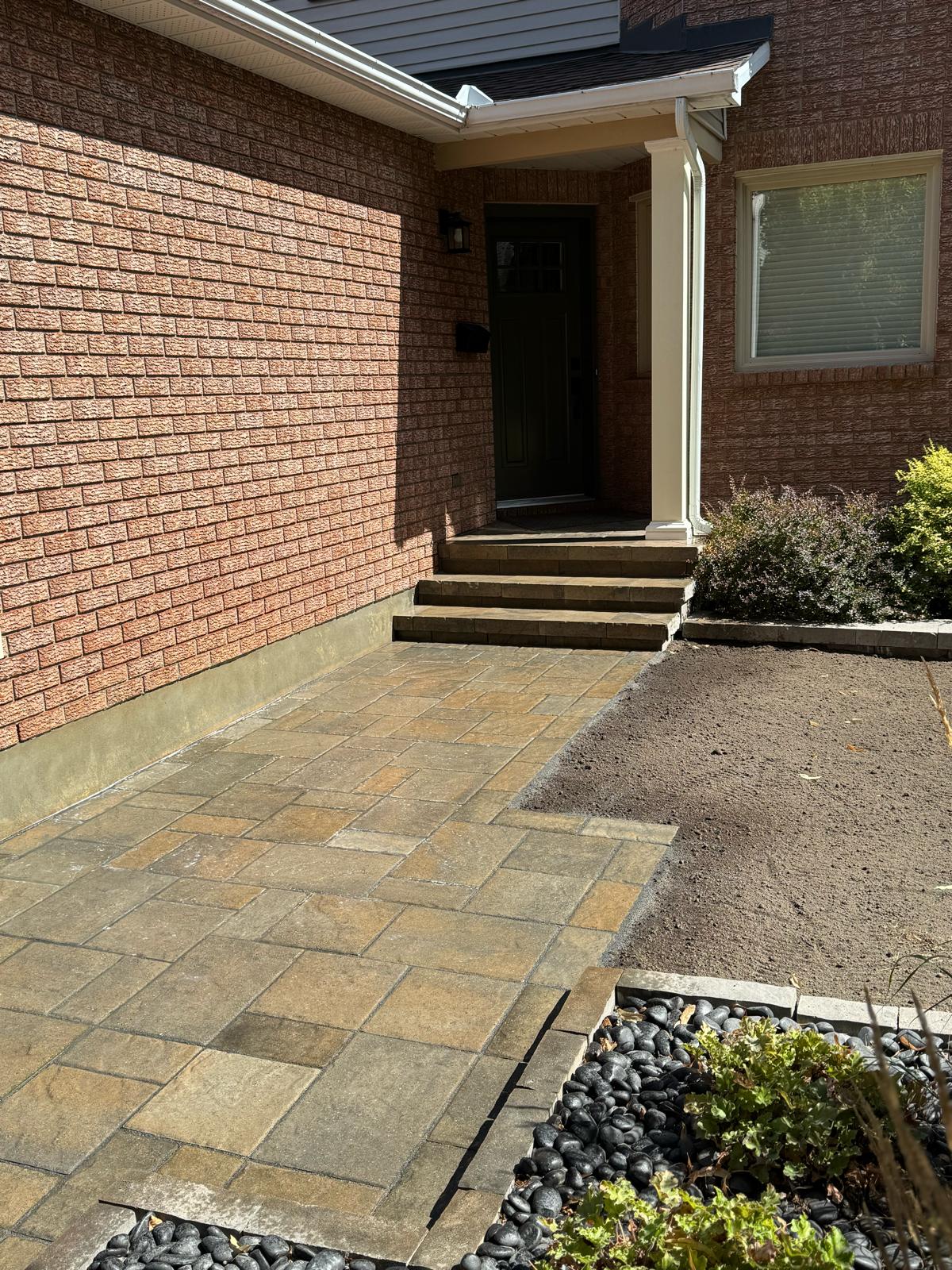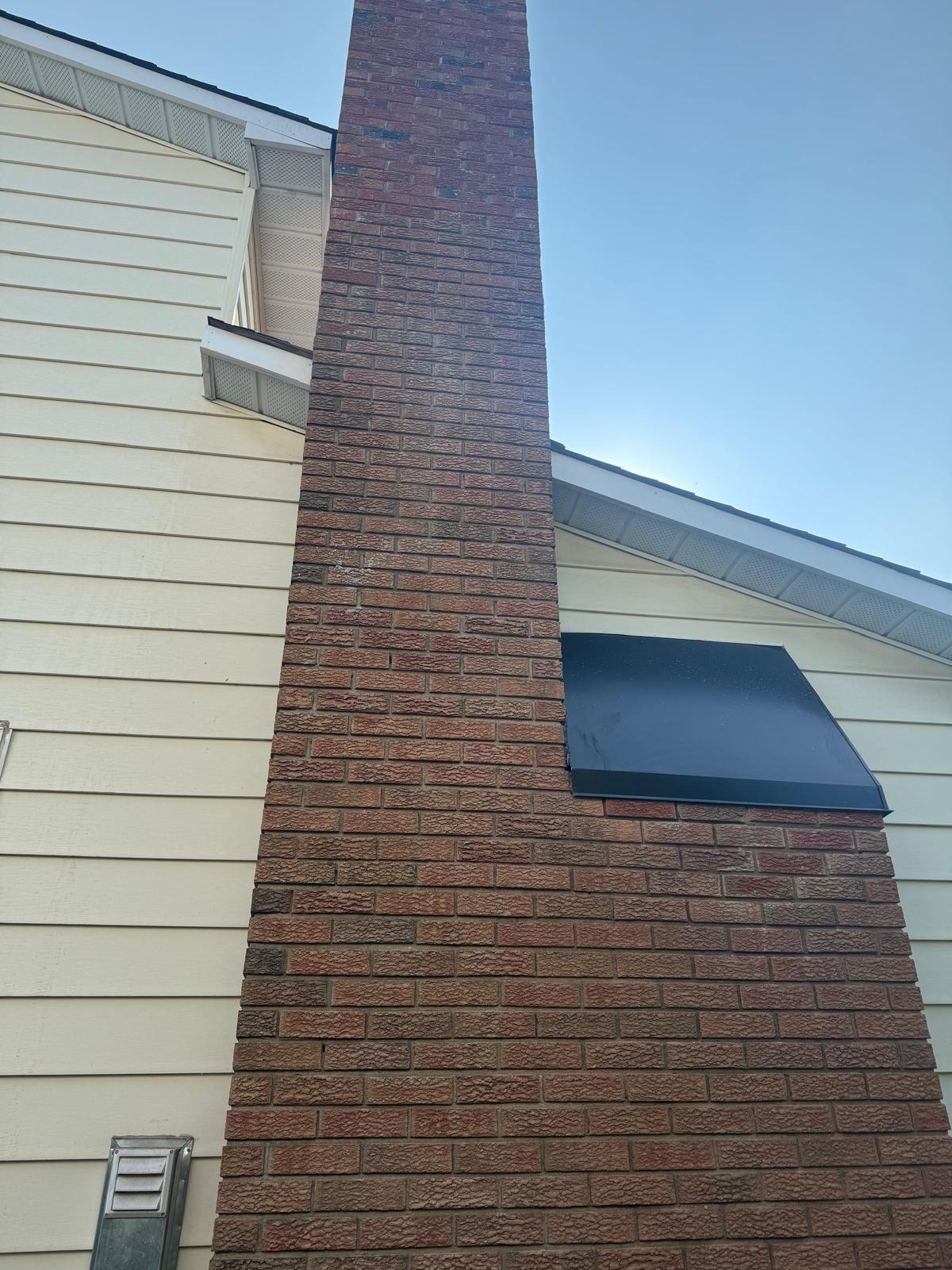

The exposed portion of a home’s foundation may not receive as much attention as brick walls, stone entrances, patios, or landscaping, but it plays an important role in the property’s overall appearance and protection. When the visible foundation surface begins cracking, flaking, or deteriorating, homeowners often first notice it as a cosmetic problem.
In many cases, the finish involved is parging.
Parging is a masonry coating applied over exposed foundation surfaces to create a more uniform finish and provide an additional protective layer. Although it should not be confused with structural foundation repair or full waterproofing, professionally installed and maintained parging can help protect the exposed surface while significantly improving the appearance of the home’s exterior.
For properties throughout Ottawa, Kanata, Stittsville, Orléans, Manotick, Rockland, Arnprior, Kemptville, Brockville, and surrounding Eastern Ontario communities, maintaining exterior foundation finishes is particularly important because of the region’s moisture and freeze-thaw conditions.
We look beyond the visible crack when evaluating deteriorated parging. Understanding why the material failed helps determine whether a localized repair, larger restoration, or additional investigation is appropriate.
What Is Foundation Parging?
Parging generally involves applying a cementitious masonry coating to the exposed exterior portion of a foundation.
The result is a relatively smooth and consistent surface that can conceal the rough appearance of the underlying foundation material.
Parging can help:
- Create a cleaner exterior finish
- Protect the exposed foundation surface
- Cover minor surface irregularities
- Complement brick and stone façades
- Improve overall curb appeal
However, parging is not intended to correct serious structural foundation movement.
That distinction is important whenever significant cracking appears.
Why Does Parging Crack?
Exterior parging is exposed to the same challenging weather as other masonry.
Over time, cracks may develop because of:
- Freeze-thaw cycles
- Moisture exposure
- Age
- Movement in the underlying foundation
- Poor surface preparation
- Previous improper repairs
- Impact damage
- Material deterioration
A small surface crack may be relatively straightforward to address, while recurring or substantial cracks may indicate an underlying condition requiring closer examination.
Ottawa Winters Can Accelerate Deterioration
Moisture is particularly important when considering parging performance.
If water reaches a crack or poorly bonded area and freezes, expansion can place additional pressure on the material.
Repeated cycles may cause sections to:
- Crack
- Flake
- Separate
- Break away
Homes throughout Ottawa, Kanata, and Stittsville experience frequent winter temperature fluctuations, making good installation and ongoing maintenance important.
What Does Failing Parging Look Like?
Homeowners may notice:
- Hairline cracking
- Larger cracks
- Flaking surfaces
- Hollow-sounding sections
- Pieces breaking away
- Uneven patches
- Discoloration
- Separation from the foundation
One small damaged area does not automatically mean the entire foundation requires new parging.
The extent and cause of the deterioration should guide the repair.
Why Surface Preparation Matters
A durable masonry coating needs a properly prepared surface.
Applying fresh material over loose, dusty, or deteriorated parging may produce a repair that looks acceptable initially but fails prematurely.
Professional preparation may involve removing material that is no longer properly bonded and preparing the underlying surface to receive the repair.
This step is easy to overlook, but it can have a major effect on longevity.
Parging Is Not the Same as Waterproofing
This is one of the most important distinctions for homeowners.
Parging can provide an additional protective exterior finish, but it should not automatically be treated as a complete waterproofing solution.
If a basement has significant water infiltration, simply applying new parging to the visible foundation may not address the actual source.
Moisture problems can involve:
- Grading
- Drainage
- Foundation cracks
- Downspouts
- Below-grade conditions
Professional evaluation helps determine whether the concern is primarily surface deterioration or part of a broader moisture problem.
Watch How Water Moves Around the Foundation
The condition of parging is closely connected to the environment surrounding the home.
Homeowners should pay attention to:
- Downspout locations
- Soil grading
- Water pooling
- Irrigation
- Snow accumulation
- Roof runoff
If water repeatedly collects beside the foundation, exterior masonry materials may remain wetter than necessary.
Properties throughout Orléans, Manotick, and Rockland can have very different landscaping and grading conditions, so each property should be evaluated individually.
Why Repeated Cracking Should Be Investigated
A crack that is repaired and quickly returns may be telling homeowners something important.
Recurring cracks can suggest that movement is continuing beneath the surface.
Rather than repeatedly covering the same area, it is better to determine whether the underlying foundation requires additional assessment.
Parging should follow the condition of the surface beneath it. It cannot permanently conceal significant ongoing movement.
Parging Can Improve Curb Appeal
The foundation forms a visible transition between the ground and the home’s exterior walls.
When parging becomes heavily cracked or patchy, it can make an otherwise well-maintained exterior appear unfinished.
Fresh, properly applied parging can create a cleaner visual transition beneath:
- Brick façades
- Stone veneer
- Front entrances
- Porch masonry
For homeowners investing in landscaping or exterior renovations, foundation finishing can be an important final detail.
It Can Complement Masonry Restoration
Foundation parging is often considered alongside other exterior masonry work.
A property undergoing:
- Brick repointing
- Step restoration
- Walkway repair
- Stonework
- Entrance improvements
may also benefit from addressing deteriorated foundation surfaces.
Coordinating these repairs can create a more consistent exterior appearance.
Older Homes May Require Extra Care
Established homes throughout Ottawa, Arnprior, and Brockville can contain foundation materials and previous repairs from different periods.
Before applying new material, professionals should consider:
- Existing surface condition
- Previous coatings
- Foundation material
- Moisture exposure
- Compatibility
The goal is to create a repair appropriate for the existing building rather than automatically applying the same method to every home.
Should Loose Parging Simply Be Covered?
Generally, unstable material should not simply be hidden beneath another layer.
If existing parging has lost adhesion, placing new material over it can leave the repair dependent on an already failing surface.
Proper preparation helps create a stronger bond with suitable underlying material.
This is why professional repairs may involve more work initially but provide better long-term results.
When Is a Localized Repair Appropriate?
Localized repairs may make sense when deterioration is confined to a relatively small area and surrounding parging remains sound.
For example, a homeowner may have:
- One chipped corner
- A limited cracked section
- Minor localized flaking
When deterioration is widespread across much of the exposed foundation, a more comprehensive restoration may produce a more consistent and durable result.
Inspect Parging During Routine Home Maintenance
Homeowners can include foundation surfaces in seasonal exterior inspections.
Walk around the property and look for:
- New cracks
- Loose sections
- Water staining
- Areas that remain unusually damp
- Changes from the previous season
Spring is particularly useful because damage that developed during winter often becomes visible once snow has disappeared.
Early attention may keep repairs smaller and more manageable.
Professional Work Creates a More Consistent Finish
Parging is highly visible around many homes, so workmanship affects both durability and appearance.
Professional application focuses on:
- Appropriate preparation
- Consistent coverage
- Proper material handling
- Clean transitions
- Suitable finishing
The objective is a foundation surface that looks intentional and complements the rest of the property.
Final Thoughts
Foundation parging is more than a decorative coating. It provides a finished exterior surface and can help protect exposed foundation material from everyday weather exposure.
However, cracked or failing parging should be assessed properly rather than repeatedly covered.
For homeowners throughout Ottawa, Kanata, Stittsville, Orléans, Manotick, Rockland, Arnprior, Kemptville, and Brockville, addressing deterioration early can help maintain the appearance of the foundation while identifying moisture or movement concerns before they become more extensive.
Quality preparation, compatible materials, and professional workmanship make the difference between a temporary patch and a repair designed for long-term performance.
Give Your Foundation a Clean, Professional Finish
Our team provides professional parging and foundation masonry repair, brick restoration, repointing, stonework, masonry steps, retaining walls, patios, walkways, chimney masonry, and exterior masonry services throughout Ottawa and surrounding Eastern Ontario communities.
Phone: (613) 212-5995
Email: info@onecutbrickandstone.com
Contact us today to arrange a professional masonry consultation. We can assess deteriorated parging, determine the appropriate repair approach, and help restore a clean, durable finish that complements and protects your home’s exterior.